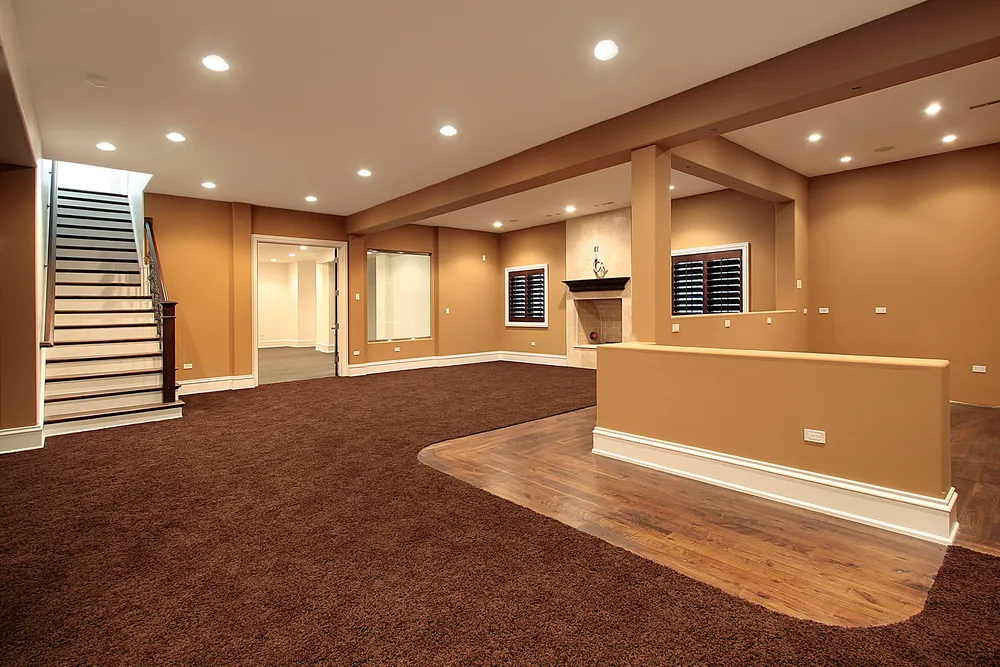
A finished basement is one of the most valuable improvements homeowners can make. Instead of letting hundreds or even thousands of square feet sit unused, finishing a basement transforms it into practical living space that can serve countless purposes. Whether you need an extra bedroom, home office, entertainment room, gym, or rental suite, a properly finished basement can significantly improve your home’s functionality while increasing its value.
However, basement finishing is much more than installing drywall and flooring. Moisture control, insulation, permits, lighting, ventilation, and proper planning all play critical roles in creating a comfortable, long-lasting space.
Why Finish Your Basement?
Unlike building an addition, finishing an existing basement utilizes space you already own. This often makes it one of the most cost-effective home improvement projects.
Some major benefits include:
- Increased usable living space
- Higher property value
- Better organization
- Additional entertainment area
- Potential rental income
- Improved energy efficiency
- Enhanced family comfort
Many homeowners discover that finishing a basement eliminates the need for expensive home additions while providing similar benefits.
Average Basement Finishing Costs
The total cost depends on the basement size, current condition, materials selected, and labor rates in your area.
Typical price ranges include:
Basic Finish
- $30–$50 per square foot
Includes:
- Drywall
- Basic flooring
- Standard lighting
- Paint
- Minimal plumbing
Mid-Range Finish
- $50–$90 per square foot
Includes:
- Better flooring
- Custom lighting
- Bathroom
- Improved insulation
- Built-in storage
High-End Finish
- $90–$150+ per square foot
May include:
- Home theater
- Wet bar
- Luxury bathroom
- Custom cabinetry
- Smart home features
- Premium finishes
For a typical 1,000-square-foot basement, homeowners often spend anywhere from $35,000 to over $100,000 depending on the project’s complexity.
Plan the Basement Before Construction
A successful basement starts with careful planning.
Ask yourself:
- What is the primary purpose?
- Will plumbing be needed?
- Do you need additional bedrooms?
- Will children use the space?
- Is future resale important?
- Is storage still required?
Creating a detailed floor plan helps prevent expensive changes during construction.
Many homeowners divide the basement into multiple zones instead of creating one large open room.
Waterproofing Comes First
Before installing drywall or flooring, ensure the basement remains dry throughout the year.
Even small moisture issues can destroy insulation, flooring, and furniture over time.
Common signs of moisture problems include:
- Damp walls
- Water stains
- Mold growth
- Musty smells
- Cracks in foundation walls
- Efflorescence (white powder on concrete)
Ignoring these warning signs often leads to costly repairs later.
Basement Waterproofing Options
There are several ways to protect your basement from water damage.
Exterior Waterproofing
This is the most comprehensive solution.
It usually involves:
- Excavating around the home
- Waterproof membrane installation
- Drainage boards
- Foundation repair
- Exterior drain tile
Although expensive, exterior waterproofing offers long-term protection.
Interior Drainage Systems
These systems collect water before it reaches finished surfaces.
They often include:
- Interior drain tile
- Sump pump
- Drain channels
- Moisture barriers
Interior systems are common in existing homes.
Crack Repair
Foundation cracks should be repaired before finishing.
Popular repair methods include:
- Epoxy injection
- Polyurethane foam injection
- Hydraulic cement
Professional evaluation is recommended for structural cracks.
Dehumidifiers
Even dry basements benefit from humidity control.
Maintaining indoor humidity below 50% helps prevent:
- Mold
- Mildew
- Wood damage
- Odors
A permanent basement dehumidifier provides year-round protection.
Basement Insulation
Proper insulation makes the basement warmer, quieter, and more energy efficient.
Popular insulation materials include:
Rigid Foam Board
Advantages:
- Moisture resistant
- High insulation value
- Long lifespan
Spray Foam
Benefits include:
- Air sealing
- Moisture resistance
- Excellent thermal performance
Mineral Wool
Ideal for:
- Fire resistance
- Soundproofing
- Moisture tolerance
Avoid installing fiberglass insulation directly against concrete walls because moisture can reduce its effectiveness.
Best Basement Flooring Options
Basements require flooring that can tolerate moisture and temperature fluctuations.
Luxury Vinyl Plank (LVP)
One of the most popular options.
Advantages:
- Waterproof
- Affordable
- Easy maintenance
- Realistic wood appearance
- Comfortable underfoot
Tile Flooring
Excellent for damp environments.
Pros:
- Extremely durable
- Waterproof
- Easy cleaning
- Long lifespan
Tile works especially well in laundry rooms and bathrooms.
Engineered Hardwood
Unlike solid hardwood, engineered flooring handles humidity more effectively.
Benefits include:
- Elegant appearance
- Better stability
- Higher resale appeal
Carpet Tiles
Carpet adds warmth and comfort.
Carpet tiles offer several advantages:
- Easy replacement
- Comfortable
- Sound reduction
- Variety of colors
Polished Concrete
Some homeowners embrace the industrial look.
Benefits include:
- Very durable
- Low maintenance
- Modern style
- Budget friendly
Area rugs can soften the appearance.
Basement Ceiling Options
The ceiling significantly influences the finished appearance.
Popular choices include:
Drywall Ceiling
Creates a clean, seamless appearance.
Ideal for:
- Family rooms
- Home theaters
- Living spaces
Drop Ceiling
Provides easy access to:
- Plumbing
- Electrical wiring
- HVAC systems
Repairs become much simpler.
Painted Exposed Ceiling
A growing trend in modern homes.
Leaving beams exposed while painting everything black, white, or gray creates an industrial aesthetic while maximizing ceiling height.
Basement Lighting Ideas
Basements naturally receive less sunlight.
Good lighting makes the space feel larger and more inviting.
Consider combining:
- Recessed lighting
- LED panel lights
- Floor lamps
- Wall sconces
- Under-cabinet lighting
- Accent lighting
Using multiple lighting layers creates a comfortable atmosphere throughout the room.
Popular Basement Design Ideas
The possibilities are almost endless.
Family Entertainment Room
Include:
- Large television
- Comfortable seating
- Gaming area
- Snack station
Home Theater
Features may include:
- Projector
- Surround sound
- Reclining chairs
- Acoustic wall treatments
Home Office
A basement office provides:
- Privacy
- Quiet workspace
- Built-in shelving
- Video conferencing setup
Guest Suite
Include:
- Bedroom
- Bathroom
- Closet
- Small sitting area
Guests enjoy greater privacy.
Home Gym
Popular equipment includes:
- Treadmill
- Free weights
- Yoga area
- Mirrors
- Rubber flooring
Kids’ Playroom
Parents appreciate having a dedicated space for toys, games, crafts, and activities.
Rental Apartment
Where local regulations allow, a basement apartment may generate additional monthly income.
This option usually requires:
- Separate entrance
- Kitchen
- Bathroom
- Emergency egress windows
- Fire safety compliance
Don’t Forget Storage
Even after finishing the basement, storage remains important.
Creative storage ideas include:
- Built-in cabinets
- Under-stair storage
- Wall shelving
- Utility closets
- Hidden storage benches
Keeping seasonal items organized prevents clutter from accumulating.
Basement Bathroom Considerations
Adding a bathroom improves convenience and increases home value.
Potential costs depend on:
- Existing plumbing
- Drain location
- Fixtures
- Ventilation
- Waterproofing
If gravity drainage isn’t possible, an upflush toilet system may be necessary.
Heating and Cooling
Comfort depends on proper climate control.
Options include:
- Extending existing HVAC ducts
- Ductless mini-split systems
- Electric baseboard heating
- Radiant floor heating
Proper ventilation prevents stale air and excess humidity.
Soundproofing Tips
If the basement will serve as a theater, music room, or office, soundproofing deserves attention.
Effective methods include:
- Acoustic insulation
- Resilient channels
- Solid-core doors
- Acoustic ceiling panels
- Double drywall with sound-dampening compound
These upgrades reduce noise transfer between floors.
Building Permits
Many basement finishing projects require permits.
Permits often apply to:
- Electrical work
- Plumbing
- Structural changes
- Bedrooms
- Egress windows
- HVAC modifications
Skipping permits may create problems when selling your home and can result in fines or required demolition of unapproved work.
Always check local building regulations before beginning construction.
Basement Egress Requirements
If you’re adding a bedroom, building codes typically require an emergency escape route.This often means installing an egress window large enough for occupants to exit during an emergency.Proper egress improves both safety and legal compliance.
Common Basement Finishing Mistakes
Avoiding these mistakes saves money and frustration.
Ignoring Moisture Problems
Never cover damp walls with drywall.
Water issues should always be resolved first.
Choosing the Wrong Flooring
Solid hardwood often performs poorly in basements because humidity can cause expansion and warping.
Poor Lighting
Relying on one ceiling light creates a dark, uninviting environment.
Layered lighting provides much better results.
Inadequate Insulation
Poor insulation makes the basement uncomfortable and increases heating and cooling costs.
Insufficient Electrical Outlets
Modern basements often contain televisions, gaming systems, computers, exercise equipment, and appliances.Installing extra outlets during construction is much easier than adding them later.
DIY vs. Hiring Professionals
Some homeowners complete portions of basement finishing themselves.
DIY-friendly tasks include:
- Painting
- Installing trim
- Assembling storage
- Vinyl plank flooring
- Basic demolition
Professional work is recommended for:
- Electrical systems
- Plumbing
- Structural modifications
- HVAC installation
- Waterproofing
- Foundation repairs
Hiring licensed professionals reduces safety risks and ensures compliance with local codes.
Return on Investment (ROI)
Basement finishing consistently ranks among the better home improvement investments.While ROI varies by housing market, many homeowners recover between 60% and 80% of their remodeling costs when selling.
The value often extends beyond resale.
Additional benefits include:
- Better daily living
- More entertaining space
- Increased functionality
- Potential rental income
- Greater buyer appeal
- Improved family flexibility
Homes with professionally finished basements often attract more buyers because the additional living space requires no immediate renovation.
Maintenance After Finishing
Protect your investment with regular maintenance.
Inspect the basement every few months for:
- Water leaks
- Humidity levels
- Sump pump operation
- Foundation cracks
- Mold growth
- HVAC performance
Cleaning gutters, maintaining proper exterior grading, and ensuring downspouts direct water away from the foundation also help prevent moisture problems.Routine inspections allow you to catch small issues before they become expensive repairs.
Conclusion
Finishing a basement is one of the smartest ways to maximize the space you already have while improving comfort, functionality, and long-term property value. Success begins with addressing moisture issues, obtaining the necessary permits, selecting durable materials, and creating a thoughtful design that matches your family’s needs.
Whether you’re building a cozy family room, productive home office, guest suite, fitness area, or income-generating rental apartment, careful planning makes all the difference. By investing in proper waterproofing, quality flooring, efficient lighting, insulation, and professional workmanship where needed, you’ll create a basement that remains attractive, comfortable, and valuable for many years to come. A well-finished basement isn’t just extra square footage—it’s an investment that enhances everyday living while adding lasting appeal to your home.