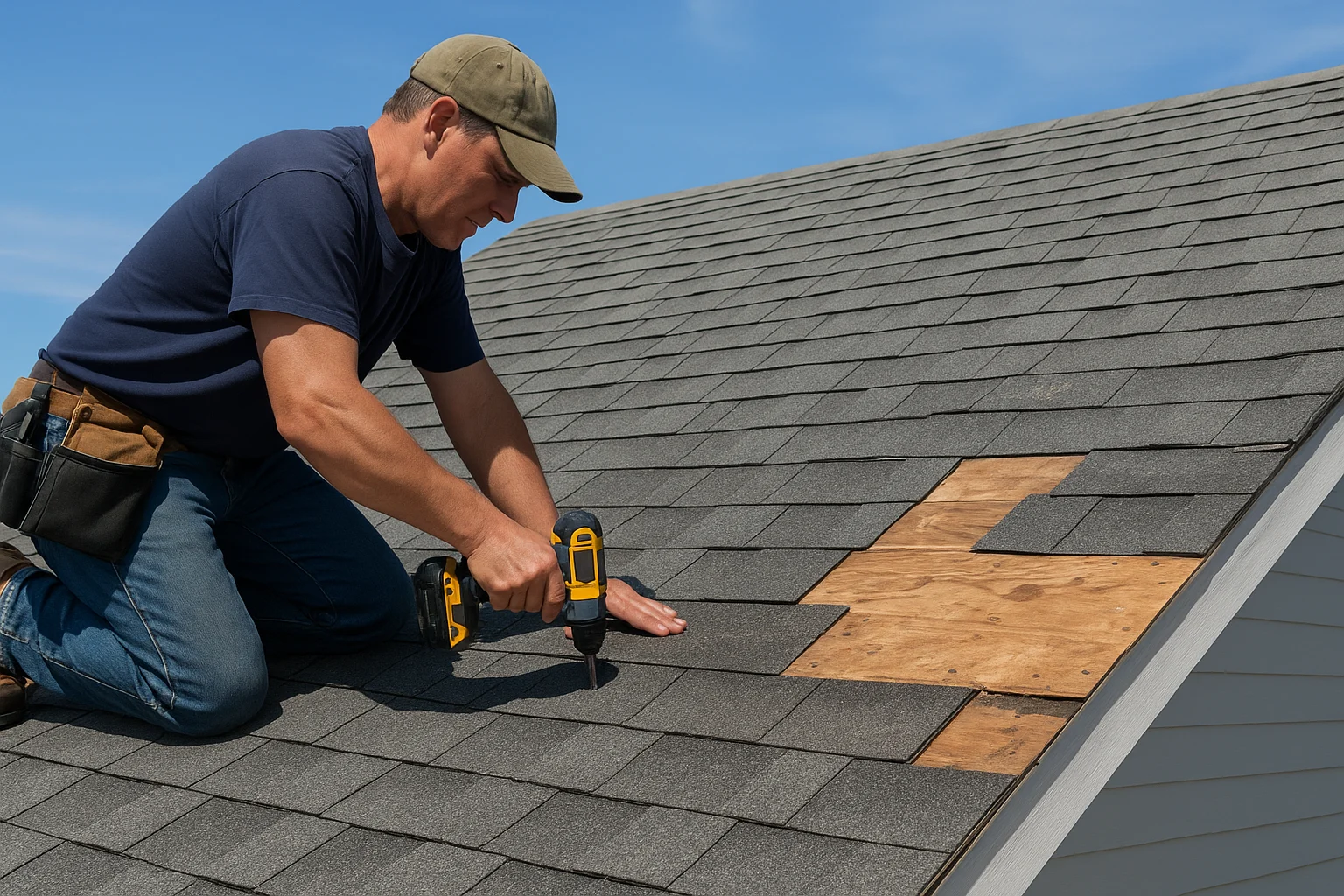
Your roof is one of the most important parts of your home. It protects everything beneath it from rain, snow, heat, wind, and falling debris. However, no roof lasts forever. Over time, weather exposure, aging materials, and unexpected damage can lead to leaks, missing shingles, or structural issues.
When problems arise, homeowners often face a difficult question: Should you repair the roof or replace it entirely? The answer depends on several factors, including the roof’s age, the extent of damage, repair costs, insurance coverage, and long-term value.
This guide explains the differences between roof repair and roof replacement, helping you make an informed decision that fits both your budget and your home’s needs.
Understanding Roof Repair
Roof repair involves fixing specific damaged areas while leaving the rest of the roofing system intact. It is usually the most affordable solution when damage is limited.
Common roof repairs include:
- Replacing damaged or missing shingles
- Repairing flashing around chimneys and vents
- Fixing roof leaks
- Sealing cracks
- Repairing small sections after storm damage
- Replacing damaged roof vents
- Fixing minor gutter-related roof problems
A professional inspection helps determine whether repairs are sufficient or if the damage extends deeper into the roof structure.
Understanding Roof Replacement
Roof replacement means removing part or all of the existing roofing materials and installing a completely new roofing system.
Depending on the condition of the roof, contractors may replace:
- Shingles or roofing panels
- Underlayment
- Flashing
- Roof decking (if damaged)
- Ventilation components
- Waterproof barriers
A replacement provides a fresh start and often includes updated materials that improve energy efficiency, durability, and appearance.
Warning Signs Your Roof Needs Attention
Ignoring roof problems can lead to expensive structural damage, mold growth, and insulation issues. Watch for these common warning signs.
Roof Leaks
Water stains on ceilings or walls often indicate roof leaks. Even a small leak can eventually damage insulation, drywall, and wooden framing.
Missing or Damaged Shingles
Shingles that are cracked, curled, loose, or completely missing expose the roof to moisture and wind damage.
Granules in Gutters
As asphalt shingles age, they lose protective granules. Finding large amounts of granules inside gutters is often a sign that shingles are nearing the end of their lifespan.
Sagging Roof
A sagging roof usually points to structural problems beneath the surface. This often requires more than a simple repair.
Moss and Algae Growth
Although moss doesn’t always require replacement, excessive growth traps moisture and accelerates roof deterioration.
Sunlight in the Attic
If daylight is visible through the attic roof boards, there are openings that require immediate attention.
High Energy Bills
Poor roofing insulation and ventilation can increase heating and cooling costs.
When Roof Repair Makes Sense
Roof repair is usually the best option under certain conditions.
The Roof Is Relatively New
If your roof is less than 10 to 15 years old and the damage is isolated, repairing it is usually more cost-effective.
Damage Is Limited
Small leaks, a few missing shingles, or minor flashing problems rarely justify replacing the entire roof.
Storm Damage Is Localized
Wind or falling branches may damage only one section of the roof.
Budget Is Limited
Repairs cost significantly less than complete replacement, making them ideal for homeowners needing an immediate solution.
Selling the Home Soon
If the roof still has several years of expected life remaining, repairs may be sufficient before listing the property.
When Roof Replacement Is the Better Choice
Sometimes repairs only delay larger problems.
Replacement becomes the better investment when:
- The roof is over 20–30 years old.
- Multiple leaks appear across different areas.
- Structural damage exists.
- Repairs have become frequent.
- Storm damage affects a large portion of the roof.
- Mold or rot has spread beneath the roofing materials.
- The roof no longer meets current building standards.
Although replacement requires a larger upfront investment, it often saves money over time by reducing recurring repair costs.
Comparing Roof Repair and Roof Replacement
| Feature | Roof Repair | Roof Replacement |
| Initial Cost | Lower | Higher |
| Completion Time | 1–2 days | Several days |
| Lifespan Improvement | Limited | 20–50+ years |
| Home Value | Slight improvement | Significant improvement |
| Energy Efficiency | Minimal | Often much better |
| Warranty | Limited | New manufacturer warranties |
| Long-Term Maintenance | More frequent | Less frequent |
Common Roofing Materials
The type of roofing material significantly affects repair costs, replacement costs, durability, and maintenance.
Asphalt Shingles
The most common residential roofing material.
Advantages include:
- Affordable
- Easy repairs
- Wide color selection
- Lifespan of 20–30 years
Metal Roofing
Metal roofs are growing in popularity because of their durability.
Benefits include:
- Long lifespan
- Fire resistance
- Excellent weather protection
- Low maintenance
- Energy efficiency
Clay Tiles
Common in warm climates, clay tiles provide exceptional longevity.
Pros include:
- Elegant appearance
- Fire resistance
- Extremely durable
However, they are heavier and require stronger roof framing.
Concrete Tiles
Concrete provides similar benefits to clay but often costs less.
Slate Roofing
Slate is one of the longest-lasting roofing materials available.
Benefits include:
- Natural appearance
- Lifespan exceeding 75 years
- Excellent weather resistance
Its high cost and weight make professional installation essential.
Wood Shingles and Shakes
Wood offers a traditional appearance but requires more maintenance.
Advantages include:
- Attractive natural look
- Good insulation
- Renewable material
Regular maintenance is necessary to prevent moisture damage.
Roof Repair Costs
Roof repair costs depend on several factors.
These include:
- Roof size
- Roofing material
- Accessibility
- Labor rates
- Extent of damage
- Geographic location
Minor repairs may involve replacing a few shingles, while major repairs can include repairing flashing, underlayment, or decking.
Obtaining multiple contractor estimates helps ensure fair pricing.
Roof Replacement Costs
Replacement costs vary even more because they include labor, materials, disposal fees, permits, and possible structural repairs.
Major factors affecting replacement costs include:
- Roof complexity
- Number of roof valleys
- Steepness
- Material selection
- Existing damage
- Local labor costs
Premium materials like slate and metal cost more initially but often last much longer than asphalt shingles.
Does Homeowners Insurance Cover Roof Damage?
Insurance coverage depends on the cause of damage rather than the roof’s age alone.
Insurance often covers:
- Wind damage
- Hail damage
- Fire damage
- Falling trees
- Lightning strikes
- Certain storm-related events
Insurance usually does not cover:
- Normal aging
- Poor maintenance
- Wear and tear
- Neglect
- Installation defects
- Cosmetic deterioration
After storm damage, document everything with photos before making temporary repairs.
Promptly report the claim and schedule an inspection.
Factors Insurance Companies Consider
Insurance adjusters typically evaluate:
- Roof age
- Cause of damage
- Maintenance history
- Severity of damage
- Existing roof condition
- Local weather reports
Proper maintenance records can strengthen your claim.
Pros and Cons of Roof Repair
Advantages
- Lower cost
- Faster completion
- Minimal disruption
- Extends roof life
- Ideal for localized damage
Disadvantages
- May not solve underlying issues
- Color matching older shingles can be difficult
- Multiple repairs become expensive over time
- Older roofs remain vulnerable
Pros and Cons of Roof Replacement
Advantages
- Complete protection
- Improved curb appeal
- Better energy efficiency
- Longer lifespan
- Higher resale value
- Manufacturer warranties
- Reduced maintenance
Disadvantages
- Higher upfront cost
- Longer installation time
- Greater disruption during construction
- Temporary landscaping concerns
How Roof Age Affects the Decision
Roof age is one of the biggest deciding factors.
Typical lifespans include:
- Asphalt shingles: 20–30 years
- Metal roofing: 40–70 years
- Wood shakes: 25–40 years
- Clay tiles: 50–100 years
- Slate: 75–150 years
If your roof is nearing the end of its expected lifespan, replacement usually offers better long-term value than repeated repairs.
Questions to Ask a Roofing Contractor
Before hiring a contractor, ask:
- Are you licensed and insured?
- Can you provide local references?
- Will you inspect the entire roof?
- Do you offer written estimates?
- What warranties are included?
- How long will the project take?
- Will you obtain required permits?
- Who handles cleanup?
Comparing several estimates helps identify reasonable pricing and quality workmanship.
Tips to Extend Roof Life
Proper maintenance reduces expensive repairs and delays replacement.
Helpful maintenance practices include:
- Inspect the roof twice a year.
- Clean gutters regularly.
- Remove moss and algae promptly.
- Trim overhanging tree branches.
- Replace damaged shingles quickly.
- Ensure proper attic ventilation.
- Address leaks immediately.
- Schedule professional inspections after major storms.
Preventive maintenance often costs far less than emergency repairs.
Environmental Considerations
Many homeowners now consider environmental impact when replacing a roof.
Modern roofing materials may offer:
- Better insulation
- Reflective coatings that reduce cooling costs
- Recyclable materials
- Solar panel compatibility
- Longer service life
Choosing durable, energy-efficient materials can reduce waste while lowering long-term utility bills.
How to Decide Between Repair and Replacement
The best choice depends on balancing immediate costs with future savings.
Choose roof repair if:
- Damage is minor.
- The roof is relatively new.
- Repairs are isolated.
- The structure remains sound.
- Budget constraints are significant.
Choose roof replacement if:
- The roof has reached the end of its lifespan.
- Damage affects multiple areas.
- Structural issues are present.
- Repairs are becoming frequent.
- You want improved energy efficiency and long-term reliability.
- You’re planning to stay in the home for many years.
A professional roof inspection provides the most accurate assessment and helps prevent unnecessary expenses.
Final Thoughts
Choosing between roof repair and roof replacement is not simply about finding the cheapest option. It requires evaluating the roof’s condition, age, long-term performance, repair history, and future maintenance costs. While repairs are ideal for isolated issues and newer roofs, replacing an aging or extensively damaged roof often delivers better value through improved durability, energy efficiency, stronger warranties, and increased property value.
The smartest approach is to schedule regular inspections, address small problems before they become major ones, and work with a qualified roofing contractor who provides honest recommendations. Investing in the right solution today can protect your home, reduce future expenses, and provide peace of mind for decades to come.