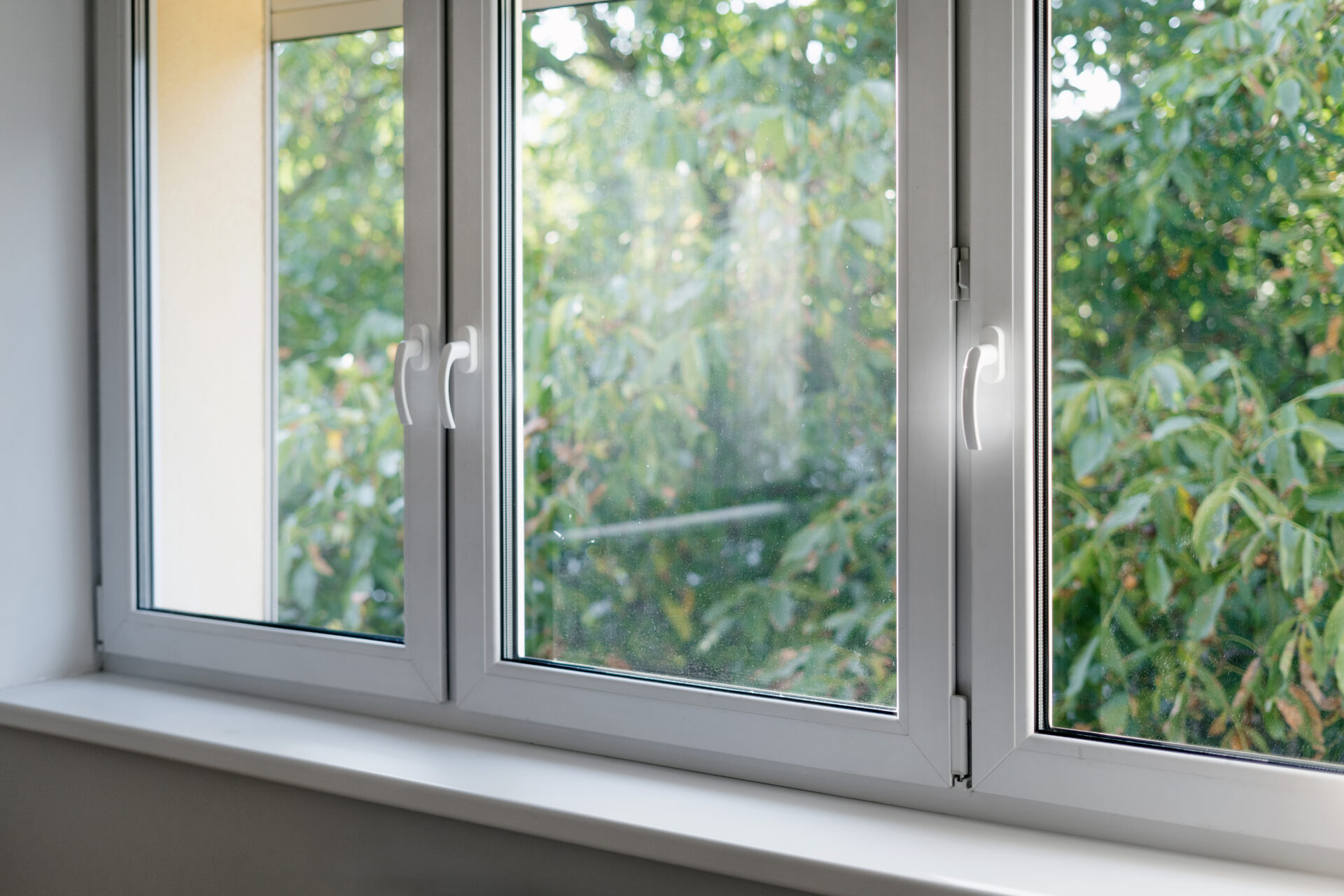
Choosing the right windows is one of the smartest investments you can make for your home. Energy-efficient windows reduce heating and cooling costs, improve indoor comfort, minimize outside noise, and increase property value. While replacing old windows requires an upfront investment, the long-term savings on energy bills often make the upgrade worthwhile.
With so many options available—from double-pane and triple-pane glass to different frame materials and energy-saving coatings—it can be difficult to know which windows offer the best value. This guide explains everything you need to know before purchasing energy-efficient windows, including installation costs, available tax credits, and practical buying tips.
Why Energy-Efficient Windows Matter
Traditional single-pane windows allow a significant amount of heat to escape during winter while letting unwanted heat enter during summer. As a result, your HVAC system works harder to maintain a comfortable indoor temperature.
Modern energy-efficient windows are designed to reduce heat transfer through advanced glass technologies, insulated frames, and improved sealing systems.
Benefits include:
- Lower monthly energy bills
- Better indoor temperature control
- Reduced drafts and cold spots
- Less outside noise
- Increased home resale value
- Reduced UV damage to furniture and flooring
- Improved environmental sustainability
Many homeowners recover a large portion of their investment through lower utility costs over the life of the windows.
Understanding Window Energy Ratings
Before comparing window types, it’s helpful to understand the ratings used to measure energy performance.
U-Factor
The U-Factor measures how well a window prevents heat from escaping.
Lower numbers indicate better insulation.
Typical values:
- Single-pane: 0.90–1.20
- Double-pane: 0.25–0.35
- Triple-pane: 0.15–0.25
The lower the U-Factor, the more energy-efficient the window.
Solar Heat Gain Coefficient (SHGC)
This measures how much solar heat passes through the window.
Lower SHGC is better for hot climates.
Higher SHGC can benefit colder regions by allowing more sunlight to warm the home.
Visible Transmittance (VT)
VT measures how much natural daylight enters your home.
Higher numbers provide brighter interiors while maintaining efficiency.
Air Leakage
This rating measures how much air enters around the window.
Lower values indicate tighter seals and better insulation.
Double-Pane Windows
Double-pane windows are the most common choice for modern homes.
They feature two layers of glass separated by an insulating air or gas-filled space.
Advantages
- Excellent energy efficiency
- Affordable compared to triple-pane
- Good noise reduction
- Lower heating and cooling costs
- Widely available
- Compatible with most home styles
Disadvantages
- Less insulation than triple-pane
- May not perform as well in extremely cold climates
Average Cost
Including installation, homeowners typically spend:
- $400–$1,200 per window
The exact price depends on window size, material, and labor costs.
Triple-Pane Windows
Triple-pane windows include three sheets of glass with two insulated spaces between them.
They offer the highest level of insulation currently available for residential homes.
Advantages
- Outstanding thermal insulation
- Superior noise reduction
- Increased indoor comfort
- Reduced condensation
- Ideal for extreme climates
- Better energy savings over time
Disadvantages
- Higher purchase price
- Heavier construction
- Longer installation time
- Smaller energy savings in mild climates
Average Cost
Installed prices generally range from:
- $700–$2,000 per window
Double vs. Triple Pane Windows
Both options provide significant energy savings compared to older single-pane windows.
Double-pane windows are often the better value for homes located in moderate climates where winters and summers are relatively mild.
Triple-pane windows are worth considering if you experience harsh winters, extremely hot summers, or live near busy roads where additional sound insulation is valuable.
Double-Pane Is Best For
- Moderate climates
- Budget-conscious homeowners
- Most residential renovations
- Faster return on investment
Triple-Pane Is Best For
- Cold northern climates
- Homes with high heating costs
- Maximum energy efficiency
- Premium custom homes
- Noise-sensitive locations
Low-E Glass Coatings
Most energy-efficient windows include Low-Emissivity (Low-E) coatings.
This nearly invisible metallic layer reflects heat while allowing natural light to pass through.
Benefits include:
- Lower cooling costs
- Reduced heat loss
- UV protection
- Better indoor comfort
- Reduced fading of furniture and flooring
Low-E coatings have become a standard feature in high-quality replacement windows.
Gas Fills Between Glass
Instead of regular air, many insulated windows use inert gases between the panes.
Common options include:
Argon Gas
- Affordable
- Excellent insulation
- Most common choice
Krypton Gas
- Higher insulation value
- Used in premium windows
- More expensive
Gas fills improve thermal performance without changing the appearance of the window.
Best Window Frame Materials
The frame contributes significantly to overall efficiency.
Vinyl Windows
Vinyl remains one of the most popular choices.
Pros:
- Affordable
- Excellent insulation
- Low maintenance
- Moisture resistant
- Long lifespan
Cons:
- Fewer color options
- Can expand in extreme heat
Best for homeowners seeking maximum value.
Fiberglass Windows
Fiberglass is one of the highest-performing materials available.
Pros:
- Extremely durable
- Excellent insulation
- Minimal expansion
- Long lifespan
- Low maintenance
Cons:
- Higher initial cost
Ideal for long-term performance.
Wood Windows
Wood provides timeless beauty and excellent insulation.
Pros:
- Natural appearance
- Outstanding insulation
- Paintable and stainable
Cons:
- Higher maintenance
- Susceptible to moisture
- More expensive
Best suited for historic or luxury homes.
Aluminum Windows
Aluminum offers strength and slim frames.
Pros:
- Modern appearance
- Lightweight
- Durable
Cons:
- Poor insulation without thermal breaks
- Can transfer heat
Less energy-efficient than vinyl or fiberglass.
Composite Windows
Composite frames combine multiple materials for strength and efficiency.
Pros:
- High durability
- Excellent insulation
- Low maintenance
Cons:
- Premium pricing
An excellent option for homeowners planning to stay in their home for many years.
Window Styles That Improve Efficiency
Certain window designs naturally reduce air leakage.
Casement Windows
Casement windows seal tightly when closed.
They are among the most energy-efficient window styles available.
Awning Windows
These windows create excellent weather-resistant seals and work well in rainy climates.
Fixed Picture Windows
Since they do not open, picture windows eliminate air leakage and maximize insulation.
Double-Hung Windows
These remain popular because of their appearance and ventilation, although they typically allow slightly more air leakage than casement windows.
Installation Matters More Than Many People Realize
Even the best window can perform poorly if installed incorrectly.
Professional installation ensures:
- Proper insulation
- Airtight sealing
- Correct flashing
- Moisture protection
- Manufacturer warranty compliance
Poor installation often leads to drafts, water damage, and reduced energy savings.
Hiring experienced installers is just as important as selecting quality windows.
Average Window Installation Costs
Installation prices vary based on window size, labor rates, accessibility, and frame condition.
Typical installed costs include:
- Vinyl windows: $400–$900
- Wood windows: $800–$1,800
- Fiberglass windows: $700–$1,600
- Composite windows: $800–$2,000
Replacing windows in older homes may require additional framing repairs, increasing total costs.
Energy Savings You Can Expect
Energy-efficient windows can significantly reduce household utility expenses.
Potential savings include:
- Lower heating costs during winter
- Reduced air conditioning expenses in summer
- Less strain on HVAC systems
- Improved year-round comfort
Actual savings depend on:
- Climate
- Existing window condition
- Home insulation
- Window orientation
- HVAC efficiency
Homes replacing single-pane windows generally see the greatest improvements.
Federal Tax Credits and Rebates
Many homeowners qualify for financial incentives when installing energy-efficient windows.
Potential benefits include:
- Federal energy efficiency tax credits
- State energy rebates
- Utility company incentives
- Local energy-saving programs
To qualify, windows usually must meet specific energy performance standards.
Before purchasing, verify current eligibility requirements and keep all purchase receipts and certification documents for tax purposes.
Signs It’s Time to Replace Your Windows
You may benefit from replacement windows if you notice:
- Rising energy bills
- Drafts near windows
- Condensation between glass panes
- Difficulty opening or closing windows
- Water leaks
- Visible frame damage
- Outside noise becoming more noticeable
- Fading furniture from UV exposure
Replacing aging windows can immediately improve both comfort and efficiency.
Choosing the Right Windows for Your Climate
Climate should influence every window purchase.
Cold Climates
Look for:
- Triple-pane glass
- Low U-Factor
- Argon or Krypton gas
- Fiberglass or vinyl frames
Hot Climates
Prioritize:
- Low Solar Heat Gain Coefficient
- Low-E coatings
- Insulated vinyl frames
- Quality weather stripping
Mixed Climates
Balanced performance is ideal.
Double-pane Low-E windows with argon gas often provide the best combination of cost and efficiency.
Questions to Ask Before Buying
Before selecting replacement windows, ask yourself:
- What is my total budget?
- How long will I stay in this home?
- What climate do I live in?
- Is outside noise a concern?
- Do I qualify for tax incentives?
- Which frame material fits my maintenance preferences?
- Should I replace all windows or only the oldest ones?
Answering these questions helps narrow your options and prevents overspending on features you may not need.
Buying Guide
Shopping for energy-efficient windows becomes much easier when you focus on performance instead of marketing claims.
Look for windows that offer:
- Double or triple-pane insulated glass
- Low-E coatings
- Argon gas filling
- Low U-Factor
- Appropriate SHGC for your climate
- Durable frame materials
- Professional installation
- Strong manufacturer warranty
- Certified energy performance ratings
Avoid choosing windows based solely on price. A slightly higher upfront investment often delivers substantially better energy savings over the next 20 to 30 years.
Also compare warranty coverage, frame durability, glass options, hardware quality, and installer reputation before making your final decision.
Conclusion
Energy-efficient windows are more than a home improvement project—they’re a long-term investment in comfort, lower utility bills, and increased property value. Whether you choose double-pane or triple-pane glass, selecting the right frame material, proper insulation features, and professional installation will have the biggest impact on performance.
For most homeowners, double-pane windows with Low-E coatings, argon gas filling, and quality vinyl or fiberglass frames provide an excellent combination of affordability and energy savings. Those living in regions with severe winters or seeking maximum comfort may find that triple-pane windows justify their higher cost through better insulation and quieter interiors.
Before making your purchase, compare window performance ratings, installation quality, warranty coverage, and available tax incentives. Taking the time to evaluate these factors will help you choose windows that deliver reliable energy savings and lasting value for decades to come.