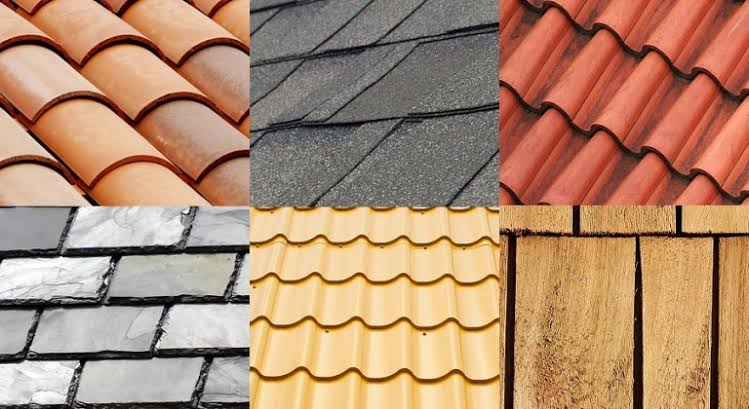
A roof is constantly exposed to changing weather. Strong sunlight, heavy rain, wind, humidity, snow, hail, and temperature changes can gradually weaken roofing materials. Choosing the right material is therefore especially important in areas where weather conditions are severe or unpredictable.
The roofing materials that last longest in harsh residential conditions are usually those that combine durability, weather resistance, correct installation, and manageable maintenance.
Metal, clay tile, concrete tile, slate, asphalt shingles, and modern membrane systems all have different strengths. The best choice depends on local climate, roof structure, budget, and maintenance requirements.
What Makes a Roofing Material Durable?
Roof longevity is influenced by more than material type.
Important factors include:
- Installation quality
- Roof pitch
- Ventilation
- Waterproofing
- Drainage
- Sun exposure
- Wind exposure
- Maintenance
Even a durable material can fail early if flashing, fasteners, underlayment, or drainage are poorly installed.
The roof should therefore be treated as a complete system.
Metal Roofing
Metal roofing is widely considered a strong option for harsh weather.
Common materials include:
- Steel
- Aluminum
- Zinc
- Copper
Metal roofs can resist heavy rain and strong wind when properly secured.
Their smooth surfaces also allow water to run off quickly.
Some systems are designed with protective coatings that improve resistance to corrosion and ultraviolet exposure.
Steel Roofing
Steel roofing offers strength and is widely available.
Protective coatings are important because untreated steel can corrode.
Coated steel can perform well in environments with intense sunlight, heavy rainfall, and strong winds.
Maintenance usually involves checking:
- Coatings
- Fasteners
- Seams
- Flashing
- Corrosion
Damage to protective coatings should be repaired before rust spreads.
Aluminum Roofing
Aluminum naturally resists corrosion better than many steel products.
This can make it useful in humid or coastal environments.
It is also lightweight.
However, aluminum is softer than some other roofing metals and may be more vulnerable to denting from large hail or impact.
Its suitability therefore depends on the main weather risks in the area.
Zinc Roofing
Zinc can provide long service life and strong corrosion resistance.
It develops a protective surface layer over time.
Zinc roofing is often used where durability and architectural appearance are both priorities.
It is generally more expensive than common steel roofing and requires suitable installation methods.
Copper Roofing
Copper is known for very long service life.
It develops a natural patina that protects the surface.
Copper performs well in many weather conditions and does not require painting.
However, its cost is significantly higher than most residential roofing materials.
It is often used for architectural features or high-end homes rather than entire roofs.
Clay Roof Tiles
Clay tiles can perform particularly well in hot and sunny climates.
They resist ultraviolet exposure and do not rot.
The space beneath tile roofing can also help reduce direct heat transfer.
Clay tiles may remain durable for many years when properly installed.
However, they can crack if struck by heavy objects or severe hail.
The roof structure must also support their weight.
Concrete Roof Tiles
Concrete tiles provide a similar appearance to clay but are generally heavier.
They offer strong resistance to weather and can perform well in areas with intense sunlight and rainfall.
Surface coatings may fade or weather over time, although the tile itself may remain functional.
Broken tiles should be replaced promptly to protect the waterproofing beneath them.
Slate Roofing
Natural slate is one of the longest-lasting traditional roofing materials.
It is resistant to:
- Rain
- Fire
- Sunlight
- Temperature changes
Slate can provide very long service life when high-quality material is correctly installed.
Its disadvantages include high cost and substantial weight.
The supporting structure must be capable of carrying the load.
Slate installation also requires specialized skills.
Asphalt Shingles
Asphalt shingles are widely used because they are relatively affordable and easy to replace.
Their durability varies according to product quality.
High-quality architectural shingles generally perform better than basic products.
Severe heat, strong wind, and hail can reduce lifespan.
Shingles may curl, crack, loosen, or lose surface granules as they age.
Wind-Resistant Shingles
In areas with strong storms, shingles should be selected according to appropriate wind ratings.
Correct fastening is critical.
Poor installation can allow wind to lift the edges and remove entire sections.
Roof edges and corners often experience particularly strong wind pressure.
Adhesive strips and fasteners must be installed correctly for the system to perform as intended.
Roofing for Extreme Heat
Hot climates place roofing materials under continuous thermal stress.
Dark roof surfaces can become extremely hot during the day.
Materials suitable for high temperatures may include:
- Clay tiles
- Concrete tiles
- Coated metal
- Reflective roofing systems
Light-colored or reflective surfaces can reduce solar heat absorption.
Insulation and ventilation beneath the roof are also important for controlling indoor temperature.
Roofing for Heavy Rain
Heavy rainfall requires materials that shed water efficiently.
Metal, tile, slate, and high-quality shingles can all perform well on properly pitched roofs.
However, waterproofing beneath the visible material remains essential.
Roof valleys, flashing, gutters, and drainage outlets should be designed to manage large volumes of water.
Leaks often begin at joints rather than through the roofing material itself.
Roofing for Strong Winds
Wind resistance depends on both material and installation.
Metal panels should be securely fixed.
Tiles may require additional fastening in exposed locations.
Shingles should use the correct number and position of fasteners.
Roof shape can also influence wind pressure.
Edges, ridges, and corners often require extra attention.
Roofing for Hail
Hail can damage several roofing materials.
Metal may dent, while clay and concrete tiles can crack.
Asphalt shingles may lose protective granules.
Impact-resistant roofing products are available in some markets.
In areas with frequent hailstorms, impact performance should be considered alongside general durability.
Roofing for Snow and Cold Conditions
Cold climates create different challenges.
Snow adds weight to the roof, while freeze-thaw cycles can damage some materials.
Metal roofing can allow snow to slide off more easily, although snow guards may be needed above entrances.
Slate and certain tiles can also perform well when suitable for freeze-thaw conditions.
The roof structure must be designed for expected snow loads.
Flat Roof Membranes
Flat roofs require waterproof membranes because they cannot shed water as quickly as steep roofs.
Common systems include:
- EPDM
- TPO
- PVC membranes
- Modified bitumen
These materials can perform well when seams, penetrations, and drains are correctly installed.
Standing water should be minimized because prolonged ponding can increase stress on the roof.
EPDM Roofing
EPDM is a rubber-based membrane commonly used on flat or low-slope roofs.
It is flexible and can tolerate temperature changes.
Large sheets can reduce the number of seams.
However, punctures and poorly sealed penetrations can cause leaks.
Regular inspection is useful for maintaining long-term performance.
TPO and PVC Roofing
TPO and PVC are single-ply roofing membranes.
They are often available in light colors that can reflect sunlight.
Heat-welded seams can create a strong waterproof surface when installed correctly.
These systems are commonly used on flat roofs and modern low-slope structures.
Installation quality is critical to durability.
Importance of Underlayment
The visible roofing material is only one layer of protection.
Underlayment provides additional resistance against water.
This is particularly important when wind-driven rain or damaged roof coverings allow moisture beneath the surface.
High-quality underlayment can reduce the risk of leaks during severe weather.
Flashing in Harsh Weather
Flashing protects roof joints and penetrations.
Important locations include:
- Chimneys
- Skylights
- Roof valleys
- Vent pipes
- Wall connections
Strong weather can expose weaknesses in these areas quickly.
Durable flashing materials and careful installation are essential for long-term roof performance.
Drainage and Material Lifespan
Even weather-resistant materials can deteriorate when water remains trapped.
Gutters, valleys, drains, and downpipes should remain clear.
Blocked drainage can cause overflow and moisture penetration.
Flat roofs are especially dependent on reliable drains and overflow systems.
Good water control helps extend the life of the roofing material and supporting structure.
Coastal Weather Conditions
Coastal homes may experience salt, humidity, wind, and intense sunlight.
Corrosion resistance becomes particularly important.
Materials and fasteners should be suitable for the coastal environment.
Aluminum, certain coated metals, tile, and other corrosion-resistant materials may be appropriate depending on the location.
Fasteners should not be overlooked because incompatible metals can deteriorate even when the main roof remains in good condition.
Maintenance and Roof Longevity
Every roofing material requires some maintenance.
Regular checks should look for:
- Loose materials
- Cracks
- Rust
- Damaged coatings
- Missing shingles
- Broken tiles
- Blocked gutters
- Failed flashing
Small repairs should be completed before water reaches insulation, ceilings, or structural components.
Comparing Initial Cost and Long-Term Value
The cheapest roofing material is not always the least expensive over the life of the home.
Higher-quality materials may provide longer service life and require fewer repairs.
Homeowners should compare:
- Installation cost
- Expected lifespan
- Maintenance
- Repair availability
- Weather resistance
- Replacement cost
Long-term value is often more useful than initial price alone.
Final Thoughts
The roofing materials that last longer in harsh residential weather conditions are those selected for the specific climate and installed as part of a complete weather-resistant system.
Metal roofing offers strong performance in many environments, while clay and concrete tiles can work particularly well in hot climates. Slate provides excellent longevity where the building can support its weight, and modern membranes can protect flat roofs effectively.
No material performs well indefinitely without proper installation and maintenance.
Underlayment, flashing, ventilation, drainage, fasteners, and regular inspection all contribute to roof durability.
By matching the material to local heat, rainfall, wind, hail, humidity, and temperature conditions, homeowners can create a roof that provides stronger protection and requires fewer avoidable repairs over time.