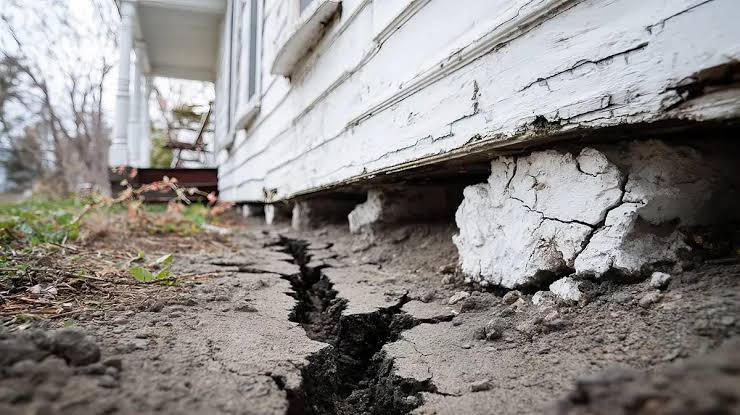
A door that suddenly sticks, a crack that was not there last spring, or a floor that feels slightly off can be easy to ignore. Houses develop minor cosmetic flaws as they age, so most homeowners learn to live with them. Foundation settlement is different. When the ground under a house moves unevenly, the structure twists a little at a time, and those small clues are often the earliest warning you will get. Catching them early gives you more options, prevents secondary damage to plumbing and finishes, and stops you spending money on cosmetic repairs that will simply crack again. This guide explains what settlement means, what to look for inside and outside, how to read cracks without panicking, and how to monitor movement before you call anyone in.
What Foundation Settlement Is and Why It Matters
Every house settles to some degree. After construction, soil beneath the footings compresses under the building’s weight, and the house finds its final position. That uniform settling in the first few years is normal and rarely causes damage.
The problem is differential settlement, when one part of the foundation sinks more, or faster, than another. Because concrete, brick, and timber framing are rigid, uneven movement puts stress through the structure. Walls crack, openings go out of square, and floors tilt. The house is not necessarily about to collapse — most settlement damage develops slowly over months or years — but it will not correct itself.
It also helps to know the difference between settlement and heave. Settlement is downward movement. Heave is upward movement, often caused by clay soil swelling with moisture or frost pushing footings up. Both produce similar cracks, which is why a proper diagnosis matters before any repair.
Interior Warning Signs to Check First
Interior signs are often noticed first, because you live with them daily. No single sign proves a foundation problem — warped doors can also mean humidity — but several signs in the same area are significant.
- Doors and windows that stick, jam, or will not latch, especially if they worked fine before. Look for a widening gap at the top of a door on one side.
- Cracks in drywall, particularly diagonal cracks running from the corners of doors and windows at about 45 degrees.
- Uneven or sloping floors — a noticeable slope, bouncing, or gaps between the floor and skirting boards deserve measurement.
- Gaps where walls meet ceiling or floor, and cabinets pulling away from the wall.
- Cracks in ceramic tiles, especially long runs across a kitchen or bathroom floor rather than a single damaged tile.
- Nail pops and recurring cracks that return within weeks or months after you fill and paint them.
Write down when you first noticed each sign and where. A crack above a bedroom door on the same side as a sticking front door tells a clearer story than either sign alone.
Exterior Warning Signs Around the House
Outside, you are looking for evidence that the structure or the ground itself has moved. Walk the full perimeter slowly and look along walls rather than straight at them — misalignment is easier to spot at an angle.
- Stair-step cracks in brick or block mortar, following the joints up in a stepped pattern — one of the most recognised signs of differential movement.
- A gap opening between the house and an attached chimney, porch, or extension, or a chimney leaning away from the main wall.
- Horizontal or vertical cracks in the exposed foundation wall, and rendering that has bulged or detached.
- Windows and doors visibly out of square, with cracked sealant on one side only.
- Soil pulling away from the foundation, sunken ground along one elevation, or paving sloping back toward the house.
- Roofline distortion, such as a sag in the ridge when viewed from the street.
Also check a garage slab cracking and separating from the house, or a patio dropping at the house edge — both often move for the same soil reasons as the main foundation.
Reading Crack Patterns Without Guessing
Not all cracks are structural. Judge them by width, direction, location, and whether they are changing.
Cracks That Are Usually Less Serious
Thin hairline cracks in plaster, less than about 1 millimetre wide, are very common. They often come from shrinkage as plaster or concrete dries, or minor thermal movement. Short vertical cracks in a foundation wall can also be shrinkage cracks, especially in houses under ten years old. If a hairline crack has not changed in a year, it is rarely urgent.
Cracks That Need Closer Attention
Take a crack more seriously when it is wider than about 5 millimetres — roughly the thickness of a pencil — when one side sits higher than the other, or when it runs diagonally or in a stair-step pattern through brickwork. Cracks passing through both the outside wall and inside finish in the same place suggest movement through the full wall, not just cosmetic damage.
A simple rule helps: cosmetic cracks affect appearance, structural cracks affect openings, alignment, and function. If the house is getting harder to use, not just harder to look at, get it assessed.
Monitoring and Measuring Movement Over Time
Before paying for repairs, you need to know: is movement still happening, or is it old and stable? Old settlement may need only cosmetic repair. Active movement needs the cause fixed first.
- Mark the ends of key cracks lightly in pencil and write the date beside each mark. If the crack grows past the marks, it is active.
- Measure crack width at the widest point with a crack gauge or ruler, photograph it with a coin for scale, and log the result monthly.
- Use a long spirit level or laser level to check floor slope. Record which rooms slope and by how much, such as 5 millimetres over 2 metres.
- Photograph doors, gaps, and exterior walls from the same position every month so changes are comparable.
- Note the season and weather. Clay soils shrink in dry summers and swell in wet winters, so cracks that open in August and close in January often reflect seasonal movement.
Three to six months of records is extremely valuable to an engineer. It turns opinion into evidence, and can prevent you buying underpinning for movement that stopped a decade ago.
Common Causes of Settlement
Settlement is rarely caused by the house. It is almost always about soil and water underneath.
- Expansive clay soil that shrinks during drought and swells when wet, especially near the edges of the foundation.
- Poor drainage — blocked gutters overflowing beside the wall, downpipes discharging at the base, or ground sloping toward the house.
- Leaking drains or water pipes below ground, which wash soil away and soften the ground under the footings. A persistent damp patch can be a clue.
- Large trees and shrubs close to the house drawing moisture from clay soil. Oak, willow, and poplar have the greatest effect.
- Poorly compacted fill, extensions on shallower footings than the original house, or nearby excavation.
- Long dry periods, flooding, or a changing water table altering soil strength.
Identifying the cause matters more than patching the symptom. Piering a foundation while a drain still leaks underneath it is money spent in the wrong order.
What to Do Next and Who to Call
Start with steps that cost nothing. Take dated photos, start your crack log, and fix simple water issues yourself: clear gutters, extend downpipes at least 1.5 metres from the wall, and regrade soil or paving that directs rain toward the foundation. Do not fill major cracks or retile a floor until you know whether movement is active — you will lose your evidence and probably your money.
For diagnosis, call an independent structural engineer first, not a repair company. An engineer has nothing to sell beyond the report, which typically costs $400 to $900 in the United States, or £350 to £700 in the United Kingdom. The report should state whether movement is active, its likely cause, and whether monitoring, drainage work, or structural repair is justified.
If repairs are needed, get two or three written quotes based on the engineer’s recommendations. Costs vary widely: crack injection may be $500 to $1,500, drainage correction $1,500 to $5,000, and piers often $1,200 to $3,000 each, with whole-house projects commonly reaching $10,000 to $30,000 or more. That makes independent diagnosis the cheapest part of the process.
Avoid any contractor who diagnoses the house in twenty minutes, pressures you to sign the same day, or proposes piers before discussing drains, soil, and trees. Check licensing, insurance, and whether the warranty transfers to a future buyer.
Final Thoughts
Foundation settlement sounds alarming, but most houses showing warning signs are not emergencies. They are houses asking for attention in the right order: notice the pattern, measure whether it is moving, find the soil or water cause, and only then plan repairs. The homeowners who spend the most usually ignored clear signs for years or paid for major work without an independent diagnosis. Dated photos, simple measurements, and a calm, documented approach will protect your house and budget far better than panic — or a fresh coat of filler — ever will.
Frequently Asked Questions
Are all foundation cracks a sign of a serious problem?
No. Hairline plaster and shrinkage cracks are common and often purely cosmetic. Cracks become concerning when they are wide, diagonal or stair-stepped, offset on one side, growing over time, or paired with sticking doors and sloping floors in the same area.
How quickly should I act if I notice warning signs?
Start monitoring immediately, but do not rush into repairs. Photograph and measure the signs now, fix obvious drainage problems, and book an engineer if several signs appear together or a crack is clearly widening. Sudden new damage after flooding, a burst pipe, or nearby excavation needs prompt inspection.
Does home insurance usually cover foundation settlement?
Often it does not. Most policies exclude gradual settlement, wear, and soil movement, but may cover sudden damage from a specific insured event such as a burst pipe. Check your policy wording carefully and document any sudden cause with dates and photos before making a claim.
Can I repair settlement damage myself?
You can handle monitoring, gutter and drainage fixes, and filling stable hairline cracks. Structural work such as underpinning, pier installation, wall ties, and drain repairs below ground should be left to licensed professionals working from an engineer’s design, both for safety and for resale value.
Will foundation problems affect selling my home?
They can, especially without paperwork. An engineer’s report, monitoring records, invoices, and a transferable warranty show the problem was diagnosed and handled properly, which protects your sale price far better than hiding fresh filler.