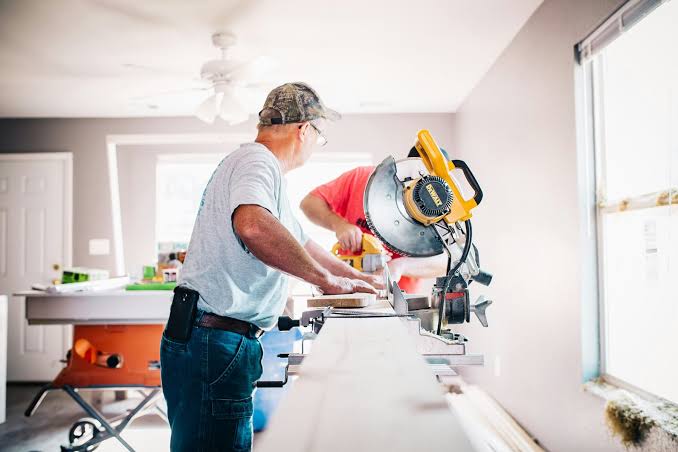
A home renovation project can completely transform your living space, improve comfort, increase property value, and make your home better suited to your lifestyle. However, without proper planning, renovations can quickly become stressful, expensive, and difficult to manage. Many homeowners start with excitement but later face budget problems, unexpected repairs, delays, or design decisions they regret.
Successful renovation is not only about choosing beautiful materials or following the latest trends. It requires clear goals, realistic budgeting, proper research, careful planning, and good communication with everyone involved in the project.
Whether you are updating a single room or renovating your entire house, having a structured plan before starting can help you avoid common mistakes and complete the project more smoothly.
Define Your Renovation Goals Before Starting
The first step in any home renovation project is understanding why you want to renovate. Many people begin by focusing on appearances, but a successful renovation should solve specific problems and improve the way you use your home.
Ask yourself what you want to achieve:
- Do you need more functional space?
- Are certain areas outdated or damaged?
- Do you want to increase your home’s resale value?
- Are you improving comfort, energy efficiency, or storage?
- Are you renovating for your family’s changing needs?
For example, a kitchen renovation might not only be about installing modern cabinets. It could also involve improving workflow, adding storage, upgrading appliances, or creating a better space for family gatherings.
Having clear goals will help guide your decisions and prevent unnecessary spending on features that do not provide real value.
Inspect Your Home Before Making Renovation Decisions
One common mistake beginners make is starting renovation work without understanding the actual condition of their home. A property may look fine on the surface but have hidden problems behind walls, under floors, or inside plumbing systems.
Before planning major changes, inspect important areas such as:
- Electrical wiring
- Plumbing systems
- Roof condition
- Foundation issues
- Moisture and water damage
- Heating and cooling systems
- Structural problems
Fixing hidden issues early can prevent expensive surprises during construction. For larger renovation projects, hiring a professional home inspector or contractor for an evaluation can provide valuable information before you invest money.
A beautiful renovation will not provide long-term value if underlying problems remain unresolved.
Create a Realistic Renovation Budget
Budget planning is one of the most important parts of home renovation. Many projects become stressful because homeowners underestimate costs or forget additional expenses.
Start by creating a detailed budget that includes:
- Materials
- Labor costs
- Contractor fees
- Permits
- Design services
- Tools and equipment
- Furniture or decoration upgrades
- Waste removal
- Unexpected repairs
It is also recommended to keep an emergency reserve because renovation projects often reveal issues that were not visible at the beginning.
For example, while removing an old bathroom wall, you may discover damaged pipes or electrical problems. Having extra funds available helps you handle these situations without stopping the project.
A realistic budget does not mean choosing the cheapest options. It means understanding where your money will create the most value.
Research Materials and Design Ideas Carefully
Before purchasing anything, spend time researching materials, layouts, and design options. Many homeowners make rushed decisions and later realize the selected materials do not match their lifestyle or maintenance expectations.
Consider factors such as:
- Durability
- Maintenance requirements
- Long-term cost
- Availability
- Style compatibility
- Environmental impact
For example, a flooring material may look attractive but may not be practical for homes with children, pets, or heavy daily use.
Collect inspiration from different sources, but remember that every home is different. A design that works perfectly in another house may not fit your available space, budget, or needs.
Decide What You Can Do Yourself and What Requires Experts
DIY projects can help reduce renovation costs, but not every task is suitable for beginners. Understanding your limits can prevent expensive mistakes.
Simple projects that many homeowners can handle include:
- Painting walls
- Installing basic shelves
- Changing hardware
- Small decorative improvements
However, professional help is usually required for:
- Electrical work
- Plumbing changes
- Structural modifications
- Major flooring installation
- Roofing repairs
- Gas-related work
Trying to save money by handling complex tasks without proper knowledge can create safety risks and lead to additional repair costs.
Choose the Right Contractor for Your Project
If your renovation requires professional help, choosing the right contractor is one of the biggest decisions you will make.
Do not select someone only because they offer the lowest price. A reliable contractor should have:
- Experience with similar projects
- Positive references
- Clear communication
- Proper licensing where required
- Transparent pricing
- Written agreements
Before hiring, ask questions about timelines, materials, payment schedules, and possible challenges.
A good contractor will explain the process clearly and help you make informed decisions instead of simply pushing expensive upgrades.
Create a Detailed Renovation Timeline
A renovation timeline helps organize the project and keeps expectations realistic.
Your schedule should include different stages such as:
- Planning and design
- Budget approval
- Material selection
- Permits and preparation
- Construction work
- Inspections
- Final improvements and cleanup
Remember that renovation timelines can change because of weather, material availability, unexpected repairs, or contractor schedules.
Avoid planning with no extra time because rushing often leads to poor workmanship and unnecessary stress.
Avoid Changing Plans Too Often During Construction
One of the most expensive renovation mistakes is constantly changing decisions after work has already started.
Changing layouts, materials, or designs during construction can increase labor costs and delay completion.
Before construction begins, finalize important decisions such as:
- Room layout
- Flooring choices
- Cabinet designs
- Paint colors
- Fixtures
- Appliances
Some small adjustments may be unavoidable, but careful planning reduces expensive changes later.
Focus on Quality Instead of Temporary Savings
Saving money during renovation is important, but choosing the cheapest option everywhere can create future problems.
Low-quality materials may require replacement sooner, increasing your overall expenses over time.
Focus your budget on areas where quality matters most, including:
- Structural repairs
- Plumbing
- Electrical systems
- Windows
- Insulation
- Flooring
You can save money on decorative items that are easier to replace later, but important foundation and infrastructure decisions should receive proper investment.
Final Thoughts
Planning a home renovation project from start to finish requires patience, research, and realistic expectations. A successful renovation does not happen by making quick decisions or following trends blindly. It comes from understanding your goals, creating a practical budget, choosing suitable materials, and working with the right professionals.
For beginners, the most important lesson is to plan before starting. Taking extra time during the preparation stage can prevent costly mistakes and make the entire renovation process more manageable.
A well-planned renovation can improve your home’s appearance, functionality, and value while creating a space that better matches your lifestyle for years to come.