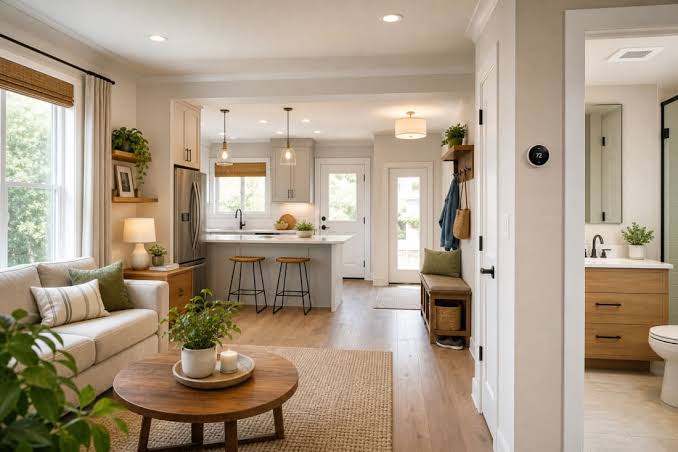
Home improvement is no longer only about making a property look better. Today, homeowners are focusing on upgrades that improve daily comfort, reduce maintenance costs, increase energy efficiency, and create long-term value. Whether it is renovating an outdated kitchen, improving insulation, upgrading flooring, or creating smarter living spaces, the right improvements can transform the way people experience their homes.
A well-planned renovation does not always require a complete rebuild. Small changes can make a significant difference when they are selected according to the needs of the property and the lifestyle of the people living there. Many homeowners now research practical renovation ideas, reliable materials, and professional advice before starting projects to ensure their investment delivers real benefits.
Platforms such as Charfen.co.uk highlight the importance of understanding modern trends and making informed decisions when improving residential spaces. From energy-saving solutions to functional interior upgrades, homeowners can achieve better results by focusing on improvements that combine design, performance, and durability.
Understanding the Purpose Behind Home Improvements
Every successful home improvement project starts with a clear purpose. Some homeowners want to increase property value before selling, while others simply want a more comfortable and functional living environment. Understanding the main goal helps determine where time and money should be invested.
For example, improving a home’s insulation can make rooms warmer in winter and cooler in summer while lowering energy consumption. Updating an old bathroom can improve convenience and give the property a more modern appearance. Even simple changes such as replacing outdated lighting fixtures or repainting walls can refresh the overall atmosphere of a home.
The best improvements are those that solve existing problems while adding long-term benefits. Instead of following temporary design trends, homeowners should consider upgrades that remain useful and attractive for years.
Energy Efficiency Has Become a Major Priority
One of the biggest changes in modern home improvement is the growing focus on energy efficiency. Rising energy costs and increased awareness about sustainability have encouraged homeowners to look for ways to reduce waste and improve performance.
Energy-efficient windows, better insulation, efficient heating systems, and smart home technology can all contribute to a more comfortable property. These improvements help maintain stable indoor temperatures and reduce unnecessary energy usage.
Many older homes lose heat through poorly insulated walls, roofs, and windows. Addressing these areas can create noticeable improvements in comfort while reducing monthly expenses. Although some energy upgrades require an initial investment, they often provide financial benefits over time.
Homeowners are also exploring smart thermostats, automated lighting, and energy monitoring devices. These technologies allow people to control their homes more effectively and understand where energy is being consumed.
Improving Functionality Through Better Design
A beautiful home should also be practical. Modern renovation approaches focus heavily on creating spaces that support everyday activities.
Open-plan living areas, better storage solutions, and flexible rooms have become popular because they allow homeowners to use available space more effectively. A small room can feel larger with thoughtful design choices, while built-in storage can reduce clutter and improve organization.
Kitchen improvements are a common example of combining appearance with functionality. Updating cabinets, improving lighting, adding efficient appliances, and creating better workspace layouts can make the kitchen more enjoyable to use.
Bathrooms are another area where practical upgrades provide strong benefits. Modern fixtures, water-saving features, improved ventilation, and durable materials can enhance comfort while reducing future maintenance needs.
Choosing Durable Materials for Long-Term Results
The quality of materials plays an important role in the success of any home improvement project. Choosing the cheapest option may reduce initial costs, but it can lead to frequent repairs and replacements in the future.
Durable flooring, weather-resistant exterior materials, quality paint, and reliable fixtures can help maintain a home’s appearance and performance for longer periods. Homeowners should consider factors such as climate, maintenance requirements, and daily usage before selecting materials.
For example, flooring in high-traffic areas should be strong enough to handle regular wear, while outdoor materials should be able to withstand changing weather conditions. Making thoughtful choices during the planning stage can prevent unnecessary expenses later.
The Growing Role of Smart Home Features
Technology has changed the way people interact with their homes. Smart home improvements are becoming increasingly common because they provide convenience, security, and better control.
Smart lighting systems allow homeowners to adjust brightness and schedules automatically. Security cameras and smart locks improve protection, while connected appliances can make household tasks easier.
These improvements are especially valuable because they can often be added without major structural changes. A homeowner does not always need a complete renovation to create a more advanced living environment.
However, technology should support the homeowner’s needs rather than simply follow trends. The best smart upgrades are those that provide genuine convenience and improve daily routines.
Outdoor Improvements Can Transform a Property
Home improvement is not limited to indoor spaces. Outdoor areas also play an important role in creating an attractive and comfortable property.
Landscaping, patios, garden areas, outdoor lighting, and improved entrances can significantly change the appearance of a home. A well-designed outdoor space provides additional areas for relaxation, entertainment, and family activities.
Exterior improvements can also improve first impressions. A maintained garden, attractive front door, and clean outdoor surfaces can increase the overall appeal of a property.
For homeowners considering future resale, outdoor upgrades can be valuable because buyers often notice exterior features before viewing the inside of a home.
Planning a Successful Renovation Project
Good planning is one of the most important factors in avoiding problems during home improvement projects. Before starting work, homeowners should create a realistic budget, research materials, and understand the expected timeline.
Unexpected costs are common during renovations, especially in older properties where hidden issues may appear after work begins. Setting aside additional funds for possible repairs can help prevent delays and stress.
It is also important to prioritize projects based on urgency. Issues affecting safety, structure, or energy efficiency should usually come before purely cosmetic improvements.
Working with experienced professionals can also improve results. Skilled contractors and designers can provide valuable guidance, identify potential challenges, and ensure work is completed properly.
Small Improvements Can Create Big Changes
Not every home improvement project requires a large budget. Many affordable upgrades can create noticeable improvements in appearance and comfort.
Fresh paint, updated hardware, improved lighting, new curtains, and better organization systems can completely change the feeling of a room. These smaller projects are useful for homeowners who want to improve their spaces gradually.
The key is choosing improvements that match the home’s existing style and the homeowner’s goals. A collection of thoughtful updates can often create a bigger impact than expensive changes that do not improve functionality.
Making Smarter Decisions for the Future
Home improvement decisions should consider both current needs and future value. A successful renovation creates a balance between personal comfort, practical benefits, and property appeal.
Modern homeowners are increasingly interested in sustainable materials, efficient systems, flexible designs, and improvements that make daily life easier. Instead of focusing only on appearance, they are investing in solutions that provide lasting advantages.
Researching ideas, comparing options, and understanding the purpose behind each upgrade can help homeowners avoid unnecessary expenses and achieve better outcomes.
Final Thoughts
Home improvement is an opportunity to create a space that reflects personal preferences while improving comfort, efficiency, and long-term value. Whether the project involves a major renovation or a series of smaller updates, careful planning and smart choices are essential.
The most successful improvements are those that combine attractive design with practical performance. By focusing on durability, energy efficiency, functionality, and modern living needs, homeowners can create properties that remain valuable and enjoyable for many years.
As renovation trends continue to evolve, informed homeowners will always have an advantage. Understanding available options and choosing upgrades based on real needs can turn an ordinary house into a more comfortable, efficient, and future-ready home.