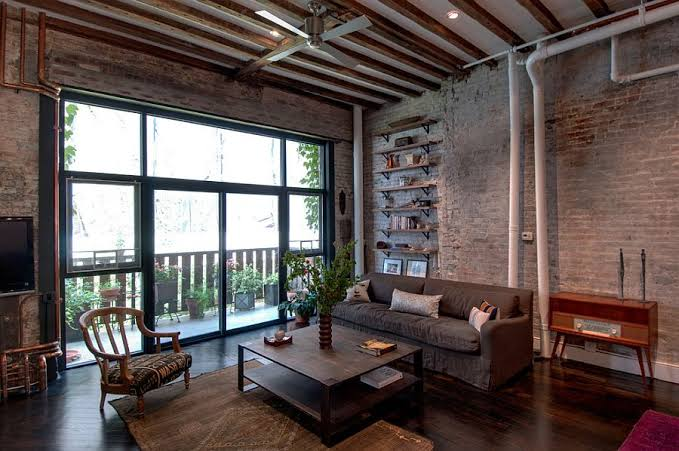
Exposed heating pipes are common in older homes, converted buildings, rental properties, and interiors where installing pipework inside walls is impractical. Although these pipes may interrupt clean wall lines or clash with the décor, they do not always need to be boxed in or hidden.
The best approach depends on the room, pipe temperature, position, and interior style. Pipes in a living room may be incorporated into wall detailing, while bathroom pipes require moisture-resistant finishes. In a child’s bedroom, preventing accidental contact is more important than creating a decorative feature.
Before decorating, confirm that the pipes belong to the heating system, remain in good condition, and can be accessed for inspection and repair.
Choose One of Three Visual Strategies
Every exposed heating-pipe project begins with one decision: blend, highlight, or screen.
| Strategy | Best for | Main idea |
| Blend | Minimal and neutral rooms | Paint approved pipes to coordinate with the wall |
| Highlight | Industrial or eclectic interiors | Use the pipe as an intentional architectural detail |
| Screen | Traditional or family spaces | Place a removable, ventilated cover in front |
| Integrate | Rooms needing storage or structure | Design shelving or panelling around the pipe |
| Distract | Rentals and low-budget updates | Use artwork, furniture and colour to redirect attention |
The correct choice may vary between rooms. A pipe can be highlighted in the kitchen but visually softened in the bedroom.
Safety Rules That Apply in Every Room
Heating pipes carry hot water or steam and may reach temperatures capable of damaging unsuitable materials or causing burns. Never begin with decoration alone.
First:
- Identify what the pipe carries.
- Check for corrosion, leaks, damaged joints, or peeling coatings.
- Keep valves and access points reachable.
- Follow required clearances around hot surfaces.
- Use finishes approved for the pipe’s material and temperature.
- Avoid wrapping pipes with flammable or insulating décor.
- Do not drill into walls without checking the pipe route.
- Never permanently seal a pipe inside an unventilated enclosure.
- Seek professional advice where the system type is uncertain.
Older coatings and insulation may require specialist assessment before sanding, scraping, or removal. Do not disturb unknown materials.
If you rent, obtain permission before painting pipes, attaching covers, or altering the heating system.
The Living Room: Make Pipes Part of the Architecture
Living rooms usually offer the greatest freedom because they contain furniture, artwork, textiles, and lighting that can visually absorb exposed pipework.
Blend Vertical Pipes Into the Wall
A vertical pipe running from floor to ceiling can be painted in a colour that coordinates with the wall, provided the paint and preparation method are appropriate for the pipe and heating temperature.
Matching the wall colour reduces contrast, but the result may not disappear entirely because curved pipes reflect light differently from flat walls.
Matte or low-sheen finishes usually attract less attention than glossy ones. However, select a coating suitable for the surface and temperature rather than choosing solely by appearance.
Repeat the wall colour through curtains, artwork, or shelving to make the pipe feel less isolated.
Use the Pipe as an Industrial Detail
In a loft-style or industrial living room, exposed pipework can look intentional. Dark finishes, metal lighting, raw wood, brick, leather, and concrete-effect surfaces can connect with the pipe.
The pipe does not necessarily need a dramatic colour. Its existing metal appearance may already support the room’s character if the surface is sound and appropriate to leave exposed.
Avoid adding imitation valves, wires, or decorative attachments directly to functioning pipework.
Build a Gallery Arrangement Around It
A vertical pipe can divide a large wall into two art zones. Create one gallery grouping on each side instead of attempting to conceal the pipe behind a frame.
Keep enough space around the pipe for heat, access, and maintenance. Avoid hanging delicate artwork where repeated heat may cause fading, warping, or material deterioration.
A balanced arrangement can make the pipe appear like a structural line within the composition.
Position Furniture Carefully
A slim console or low cabinet may reduce the visual dominance of pipework, but furniture should not trap heat or prevent access.
Do not press upholstered furniture, electrical equipment, books, or curtains against hot pipes. Maintain the clearance recommended for the heating system and nearby materials.
The Bedroom: Prioritise Calmness and Safe Contact
Bedroom pipework should be treated more quietly than pipes in social areas. The objective is usually to reduce visual interruption while keeping the sleeping space safe.
Match the Pipe to the Wall
A low-contrast finish works well in bedrooms. Warm white, beige, taupe, muted grey, or another wall-related shade can visually soften vertical and horizontal pipes.
If the pipe crosses more than one wall colour, use the colour of the largest surrounding surface rather than creating multiple bands along the pipe.
Use Curtains as Visual Distraction
Floor-length curtains can redirect attention toward the window, but they must not touch or cover heating pipes. Fabric placed directly against a hot surface can discolour, degrade, or create a safety risk.
Adjust the rod, track, curtain width, or stacking position so the fabric remains safely clear.
Install a Removable Guard Where Needed
A pipe beside the bed may need a purpose-designed guard, especially if someone could touch it while sleeping or getting up.
The guard should tolerate the pipe’s temperature, allow heat circulation, and remain removable for inspection. Avoid improvised fabric, foam, rope, or plastic coverings unless specifically rated for the application.
Keep the Bed Away From Pipework
Do not position pillows, bedding, or the mattress against a heating pipe. Even when the pipe does not feel extremely hot during a brief test, its temperature may change when the system operates fully.
The Children’s Room: Protection Comes Before Styling
Exposed heating pipes in nurseries and children’s bedrooms require particular care because children may touch, climb on, or hang objects from them.
Use a properly designed pipe guard or ventilated cover appropriate for the heating system. Confirm that the cover cannot be pulled loose, climbed on, or opened easily.
Avoid:
- Rope wrapping
- Fabric sleeves
- Soft foam covers not rated for heat
- Decorative objects tied to the pipe
- Hooks that encourage hanging or climbing
- Furniture that gives children access to higher pipework
A protective cover can be painted or finished to relate to the wall or furniture, provided the product manufacturer allows it.
Rounded edges and secure fixings are more important than decorative detail.
The Kitchen: Coordinate Pipes With Cabinets and Hardware
Kitchen pipes often run beside cabinets, above worktops, or near appliances. Because kitchens already contain functional systems, exposed pipework can be integrated into the practical character of the room.
Repeat the Hardware Finish
A dark pipe can relate to black cabinet handles, shelving brackets, taps, or light fittings. Metallic pipework may connect with stainless-steel appliances or industrial-style fixtures.
Repeat the finish selectively. Too many metal surfaces can make a small kitchen feel visually busy.
Use a Removable Cabinet Panel
If pipework runs beside a base or wall cabinet, a removable panel may conceal it while preserving service access.
The enclosure must account for ventilation, heat, valves, joints, and the pipe’s movement. Do not screw through walls or cabinet panels without confirming the pipe route.
A removable panel should look integrated with the cabinetry but remain easy to open without dismantling the kitchen.
Avoid Creating a Cleaning Trap
Pipes behind the sink or worktop may collect grease and dust. Ensure the area remains reachable for cleaning.
A decorative screen that cannot be removed may make hygiene and leak detection more difficult. Smooth, wipeable finishes are usually more practical than textured coverings.
Keep Pipes Separate From Storage
Do not store cooking oil, paper products, cleaning chemicals, aerosols, or other heat-sensitive materials against heating pipes.
Cupboards built around pipework should be planned by an appropriate professional, particularly where heat may affect stored items or cabinet materials.
The Bathroom: Design for Heat and Moisture
Bathrooms add humidity and regular splashing to the existing heat considerations. Materials used around pipes must tolerate both conditions.
Coordinate With the Towel Rail or Fixtures
Heating pipes can visually connect with a radiator, towel rail, taps, shower fittings, or vanity hardware when their finishes relate.
Black, white, chrome, and metallic finishes can all work, but suitability depends on pipe material, surface preparation, and temperature.
Use Moisture-Resistant Removable Panels
A removable panel can conceal pipework beneath a basin or beside a bath. Select a material suitable for bathroom humidity and protect exposed edges from moisture.
The panel must not hide active leaks, valves, or connections that require monitoring. It should be removable without damaging nearby sealant or tiles.
Do Not Use the Pipe as a Towel Rail
A heating pipe may look like a convenient place to dry towels, but it was not necessarily designed for that purpose. Fabric can trap heat, remain in contact with unsuitable surfaces, or obstruct access.
Use a correctly installed towel rail or hook positioned safely away from the pipe.
Check Condensation and Corrosion
Bathroom humidity can affect pipe surfaces and nearby wall finishes. Report signs of corrosion, moisture, flaking coatings, or persistent dampness rather than disguising them with décor.
The Entryway and Hallway: Preserve Clear Movement
Hallway pipes are often visually prominent because the space contains little furniture. They may also sit close to coats, bags, and passing people.
Create a Vertical Wall Feature
A vertical pipe can be incorporated into a composition of narrow wall moulding, repeated paint lines, or carefully positioned artwork.
Do not attach decorative trim directly to the pipe. Instead, use surrounding wall details to make its vertical line feel intentional.
Keep Coats and Bags Away
Avoid installing coat hooks directly beside hot pipework. Hanging fabric can rest against the pipe without being noticed.
Keep the entryway route clear and prevent umbrellas, bags, baskets, or shoes from accumulating around pipe bases and valves.
Use a Shallow Protective Cover
Where the pipe projects into a narrow walkway, a suitable shallow guard may reduce accidental contact. It must not make the hallway dangerously tight or restrict heat circulation.
The Dining Room: Turn Pipework Into a Background Detail
Dining rooms benefit from visual order. Exposed pipes should either merge with the architecture or participate in a deliberate material palette.
Painted wall panelling can visually integrate a pipe that runs near a corner. The pipe may coordinate with the wall while the surrounding moulding creates enough architectural interest to redirect attention.
Alternatively, repeat the pipe finish through the pendant light, table base, mirror frame, or dining chairs.
Do not place a large cabinet tightly against the pipe. Heat and inaccessible joints can create maintenance and material problems.
The Home Office: Use Structured Surroundings
Exposed pipes can look especially distracting against a desk wall. A structured arrangement of shelves, pinboards, and artwork can reduce their prominence.
Plan shelves around the pipe rather than across it. Maintain access and safe clearance, and do not use the pipe to support shelving.
If the desk sits near a heating pipe, keep cables, extension leads, paperwork, and electronics away from it. Heat can affect stored materials and make the work area uncomfortable.
A freestanding shelving unit may provide visual screening, but it should not block heat or prevent inspection.
The Basement or Utility Room: Keep Function Visible
In utility rooms, hiding pipework is usually less important than making it easy to inspect.
Use labels where helpful, maintain clear access to valves, and avoid permanent decorative enclosures. A clean wall colour and organised storage may be enough to improve the room.
If multiple pipe types are present, do not create your own colour-coding system without understanding the existing building or safety conventions. Incorrect labelling can cause confusion during maintenance.
Storage shelves should remain separate from hot pipes and service areas.
When Boxing-In Is Appropriate
A boxed enclosure can produce the cleanest result, but it should not be treated as a simple decoration project.
A suitable enclosure may require:
- Heat-resistant or appropriately rated materials
- Ventilation openings
- Access panels
- Clearance from the pipe
- Space for thermal movement
- Access to valves and joints
- Compliance with applicable building requirements
- Professional assessment
Permanent boxing may also reduce heat entering the room. A removable or partially open design can sometimes offer a better balance between appearance and performance.
When Pipes Should Remain Exposed
Leave pipework visible when concealment would prevent leak detection, restrict heat, block valves, or make future repairs unnecessarily difficult.
Exposed pipes may also be preferable when:
- The system requires regular inspection.
- The pipe has several joints or controls.
- The room is already very small.
- A cover would create a hazard.
- The industrial appearance suits the interior.
- The tenancy agreement prohibits alterations.
A clean, visually coordinated pipe is better than an unsafe enclosure.
Paint, Screen, or Integrate?
Use this simple selection guide:
Paint or Visually Blend When:
The pipe is in good condition, the coating is approved, and you want a low-cost update.
Highlight When:
The room already includes industrial materials and the exposed system contributes to the design.
Use a Guard When:
Accidental contact is a concern, particularly in children’s rooms, bedrooms, and narrow hallways.
Install a Removable Panel When:
You want a cleaner appearance but still need regular access.
Consult a Professional When:
The pipe’s purpose, temperature, material, condition, or clearance requirements are uncertain.
Common Decorating Mistakes
The biggest mistake is treating a working heating pipe like a normal decorative pole.
Do not:
- Wrap it with rope, fabric, wallpaper, or artificial plants.
- Hang clothing or towels from it.
- Block valves and joints.
- Enclose it tightly without ventilation.
- Place furniture directly against it.
- Sand or scrape unknown old coatings.
- Paint over corrosion or active leaks.
- Attach shelving or artwork to the pipe.
- Use it to route electrical cables.
- Assume all pipes operate at the same temperature.
Any sign of leaking, corrosion, unusual noise, or damaged insulation should be investigated before decorating.
Seasonal Inspection Checklist
Check the finished area when the heating system is operating, not only when the pipes are cold.
Confirm that:
- The cover or nearby surface is not overheating.
- Air can circulate freely.
- Curtains and furniture remain clear.
- No new noise or vibration has appeared.
- Valves and joints are accessible.
- Paint or finishes are not blistering.
- Children cannot touch or climb on the pipe.
- There is no sign of leakage or corrosion.
Remove or adjust any decorative treatment that changes condition when the system becomes hot.
Final Room-by-Room Strategy
In living and dining rooms, use colour, artwork, and architectural details to integrate the pipes visually. In kitchens and bathrooms, select wipeable, moisture-resistant solutions that preserve access. Bedrooms require calm finishes and safe separation from bedding, while children’s rooms may need purpose-designed guards. Hallways should maintain clear movement, and utility spaces should prioritise inspection over concealment.
Exposed heating pipes do not have to dominate an interior. The most successful treatment accepts their function, keeps them serviceable, and uses the surrounding room to reduce or reinterpret their visual impact.
The goal is not to hide every pipe at any cost. It is to create a room where the pipe feels considered, safe, and appropriately connected to the design.
Frequently Asked Questions
Can heating pipes be painted?
Many can be painted using suitable preparation and a coating approved for the pipe material and operating temperature. Confirm the requirements before applying paint.
Is it safe to cover heating pipes?
Only with an appropriately designed cover that maintains required ventilation, clearance, access, and heat performance. Do not improvise with fabric, rope, or unsuitable plastic.
Can furniture be placed in front of heating pipes?
Furniture should not trap heat, touch the pipes, or block valves and joints. Maintain the clearance appropriate to the heating system and materials involved.
How can renters hide exposed pipes?
Use surrounding décor, landlord-approved paint, freestanding visual distractions, or removable purpose-designed screens. Obtain permission before altering the pipe or wall.
Should exposed heating pipes be insulated?
Insulation may be appropriate in some locations for efficiency or safety, but the correct material and method depend on the system. Seek professional guidance rather than using decorative wrapping.